Retail Display Systems &
Solutions
Understanding the core merchandising systems used across modern retail environments, from wall-mounted systems to centre floor displays and integrated supply programmes.
Why Most Retail Rollouts Overpay on Freight (And How to Fix It)
Most retail shipments waste a significant portion of container space, increasing freight cost per unit without clear visibility.
This inefficiency is typically caused by inconsistent carton sizing, poor SKU packing ratios, and lack of structured container planning.
For distributors managing multi-store rollouts, this results in increased landed cost, more frequent shipments, and additional warehouse handling.
A structured approach to container optimisation aligns product selection with container capacity, ensuring consistent and repeatable loading configurations.
The result is reduced freight cost per unit, improved supply consistency, and more predictable rollout timelines.
Why Retail Containers Are Consistently Underutilised
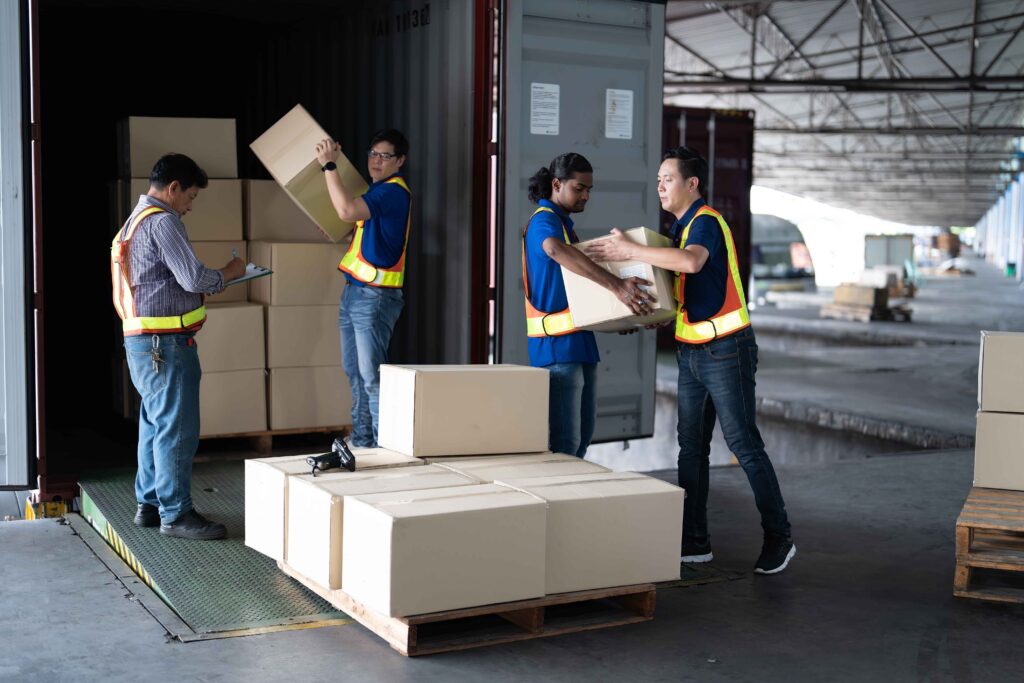
Most retail shipments fail to fully utilise container space due to unstructured packing methods and lack of coordination between product selection and shipment planning.
Without defined carton dimensions and SKU alignment, products are fitted into containers rather than planned around container capacity, which leads to inefficient loading, higher freight costs, and inconsistent supply performance.
By engineering carton sizes and defining loading configurations in advance, container utilisation improves significantly, reducing cost per unit and increasing consistency across shipments.
This is the problem ICI is designed to solve.
FCL vs LCL: What Matters for Retail Distribution
Choosing between full container load (FCL) and less than container load (LCL) has a direct impact on cost, lead time, and supply consistency.
LCL shipments introduce multiple handling points, increasing the risk of delays, damage, and higher cost per unit.
FCL shipments, when properly structured, allow for controlled packing, reduced handling, and more predictable delivery timelines.
For retail rollouts and distributor supply, a structured FCL approach provides greater control over product flow, reduces risk, and improves alignment with store rollout schedules.
This is the problem ICI is designed to solve.


How to Plan Multi-Store Retail Rollouts Efficiently
Multi-store retail rollouts require precise coordination between product availability, shipment planning, and installation timelines.
Without structured planning, inconsistencies in supply lead to delays, incomplete installations, and increased operational cost.
A defined supply model ensures products are grouped, packed, and delivered in alignment with rollout schedules, allowing installers and store teams to work efficiently with clearly identified shipments.
The result is a smoother rollout process, reduced delays, and consistent execution across multiple locations.
This is the problem ICI is designed to solve.
Hidden Cost of Poor Carton Configuration
Poor carton configuration is one of the most overlooked drivers of inefficiency in retail supply. Inconsistent carton sizes and packing ratios lead to wasted container space, higher freight costs, and more complex warehouse handling.
Lack of structure creates additional workload for distribution teams and increases the risk of errors during unpacking and installation.
By standardising carton dimensions and aligning packing with product systems, supply becomes more predictable, efficient, and scalable.
This is the problem ICI is designed to solve.